
Designing an Outdoor Space That Connects with Home
October 19, 2026
Bring a cohesive material story outside while keeping the needs of patios, paths and exposed surfaces in view.

An inviting outdoor area can feel like an extension of the rooms beside it. Repeating a tone, texture or simple design detail helps connect the two spaces without requiring identical materials. Start with the atmosphere you want to create, then narrow the choices to products appropriate for the actual location.
Connect the palette
Look through the door or window that frames the outdoor area. A related neutral tone can link an interior floor with a patio, while an earthy color may connect more naturally with planting and brickwork. Compare samples outdoors as well as indoors; sunlight can make color and texture appear very different.
Give each zone a purpose
Mark out seating, dining, circulation and planting areas before selecting a tile format. A consistent surface can unify a small terrace, while a change of layout may help define a larger space. Plan furniture clearances and transitions so the finished design works for everyday movement.
Choose by documented application
Outdoor suitability is specific to the product and the installation. Confirm the relevant exposure, slip-resistance, freeze-thaw and loading requirements for your site with the supplier and installer. Do not assume that an indoor tile or a similar-looking format will perform the same way outdoors.
Plan the details beneath the surface
Drainage, falls, the base and movement joints need attention before installation begins. Pool surrounds, vehicle areas and raised systems can have additional requirements. Ask a qualified professional to review the complete specification, and use the product's care guidance when planning routine cleaning.
MORE TO EXPLORE
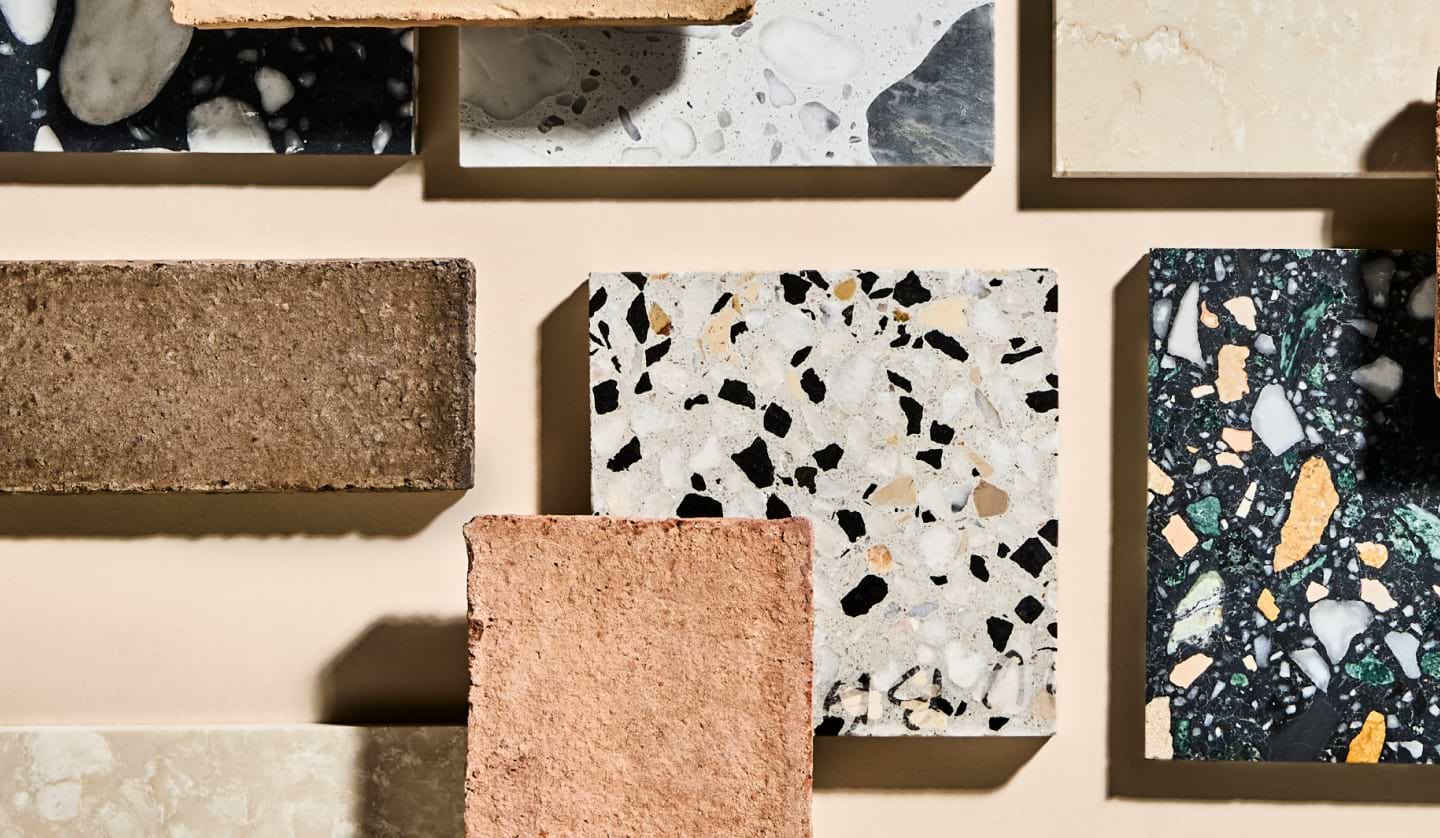
Planning & Advice
Use a focused shortlist and a simple comparison routine to choose materials with greater confidence.
October 19, 2026
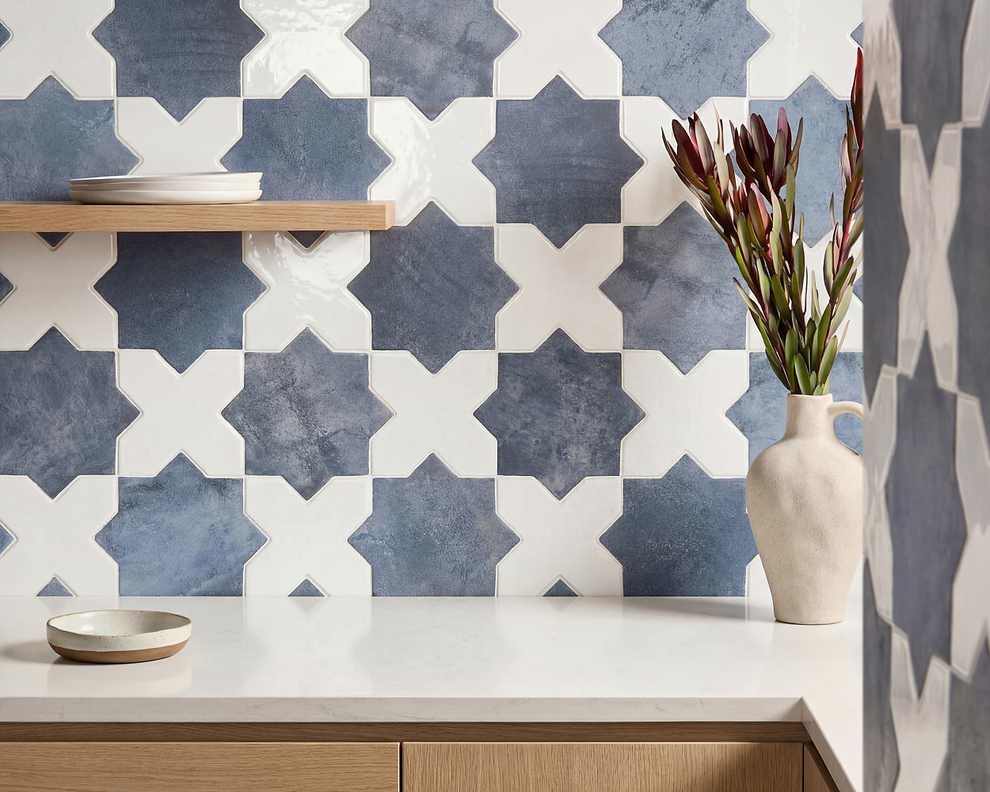
Kitchen Design
Explore layout, texture and proportion to create a backsplash that feels connected to the rest of your kitchen.
October 19, 2026
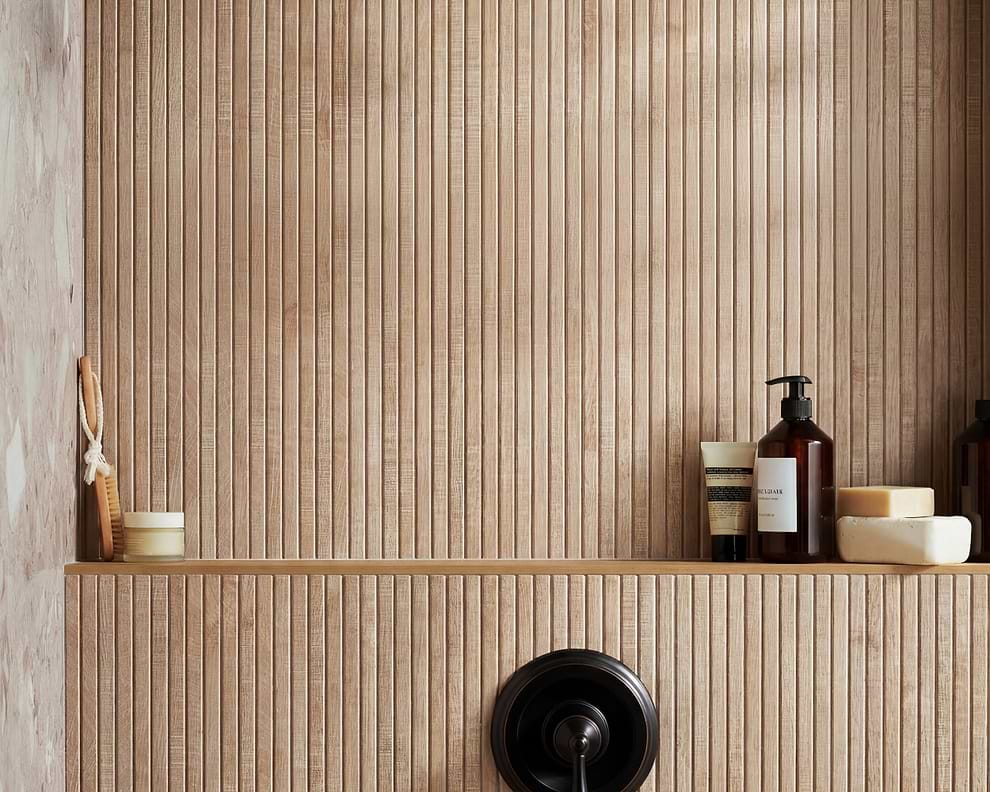
Bath & Shower
A restrained material palette, thoughtful scale and tactile details can turn an everyday bathroom into a welcoming retreat.
October 19, 2026